
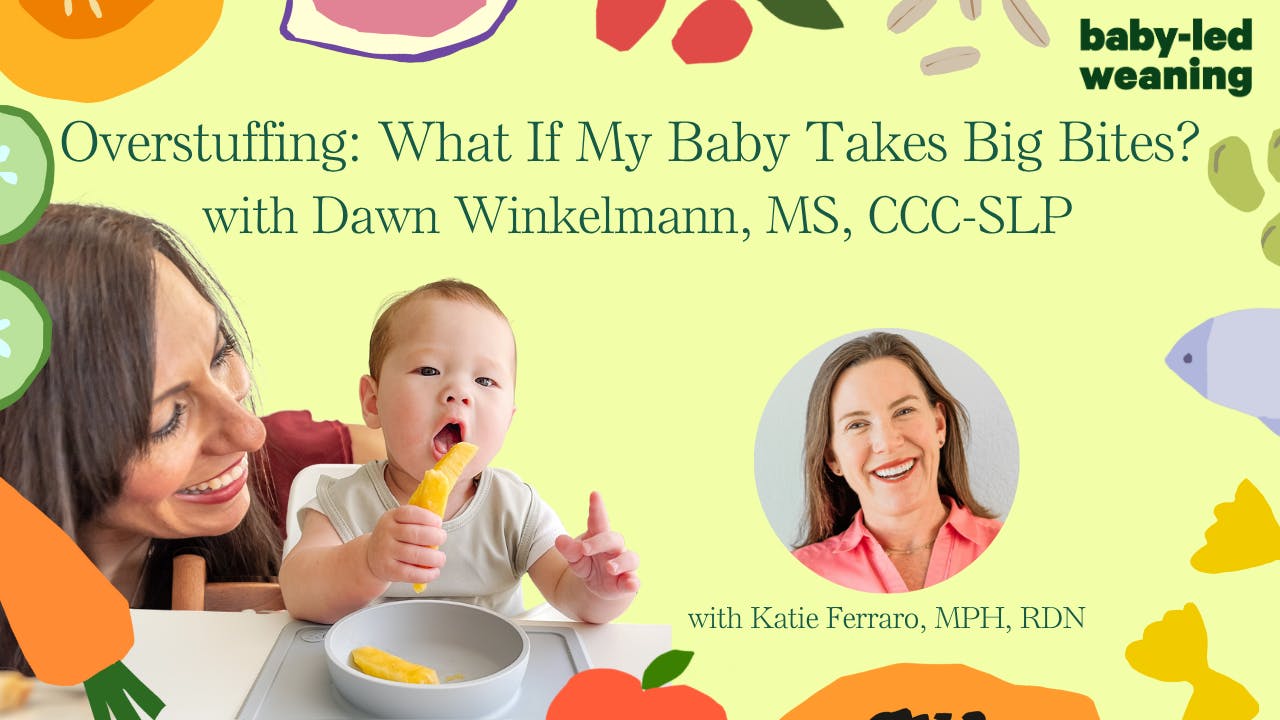
Overstuffing: What If My Baby Takes Big Bites? with Dawn Winkelmann, MS, CCC-SLP
- Why babies overstuff and how to determine if your baby’s overstuffing is actually a problem
- A simple 3-strip technique to help slow down fast eaters…without resorting to the dreaded “dripping” of food
- How making a simple swap in preparing finger foods can prevent overstuffing and promote safe swallowing
LISTEN TO THIS EPISODE
Episode Description
Is your baby an overeager eater who stuffs too much food in at once? Overstuffing is actually pretty typical - but it’s also a little scary when you’re worried about choking. In this episode, pediatric feeding expert Dawn Winkelmann, MS, CCC-SLP shares practical tips for managing overstuffing, big bites and fast eaters. You’ll learn what’s developmentally appropriate, how to respond in the moment, and when it’s time (and not time) to worry about overstuffing.
About the Guest
- Dawn Winkelmann, MS, CCC-SLP is a speech language pathologist specializing in pediatric swallowing
- She is the award-winning product designer for EZPZ and created the Tiny Cup and Tiny Spoons for baby-led weaning
- Dawn is passionate about helping babies start solid foods safely
Links from this Episode
- Check out Dawn’s website at msdawnslp.com and follow her on Instagram @msdawnslp
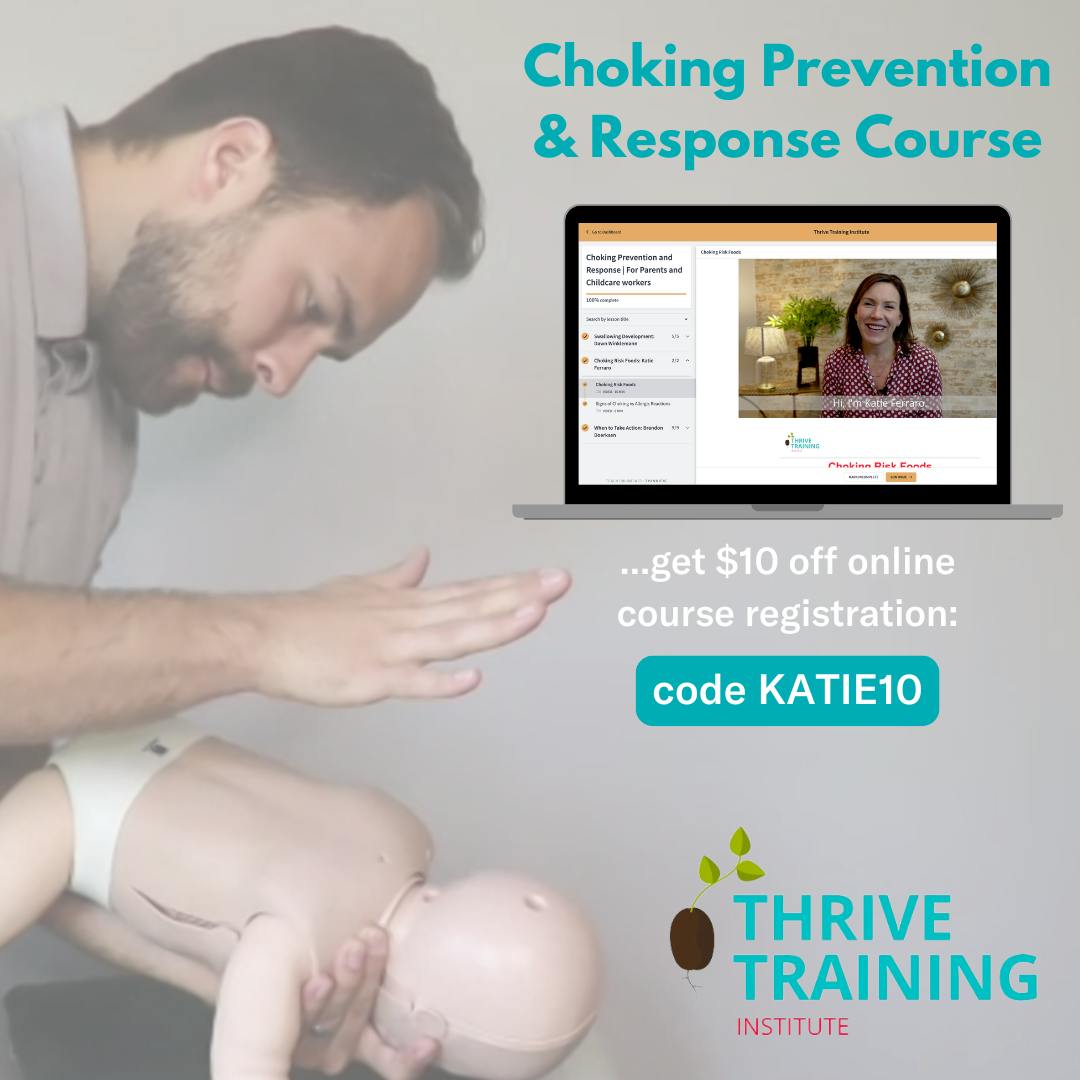
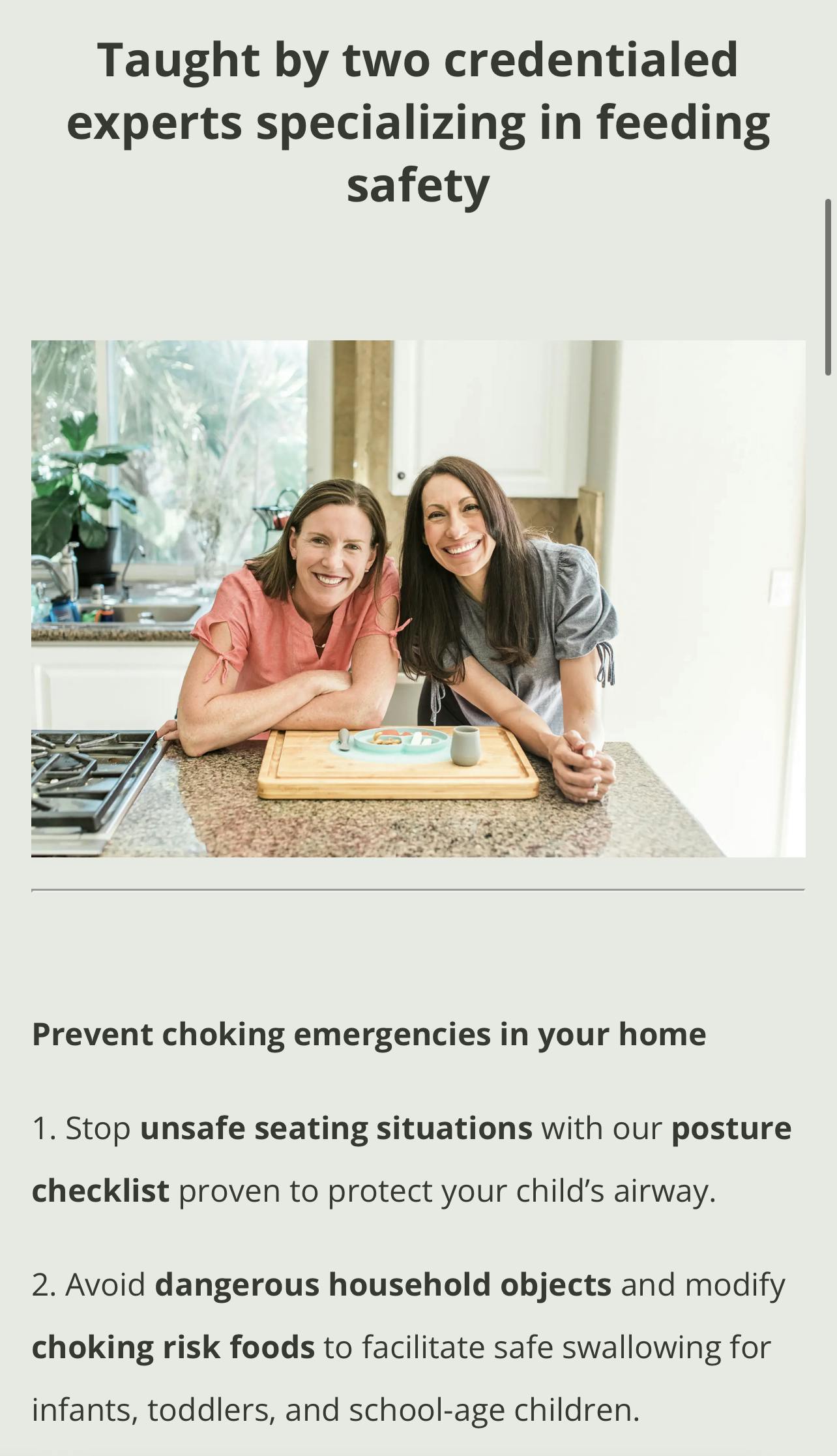
- Take Katie and Dawn’s Choking Prevention and Intervention Course and use the code KATIE10 for an additional $10 off here (this is an affiliate link)
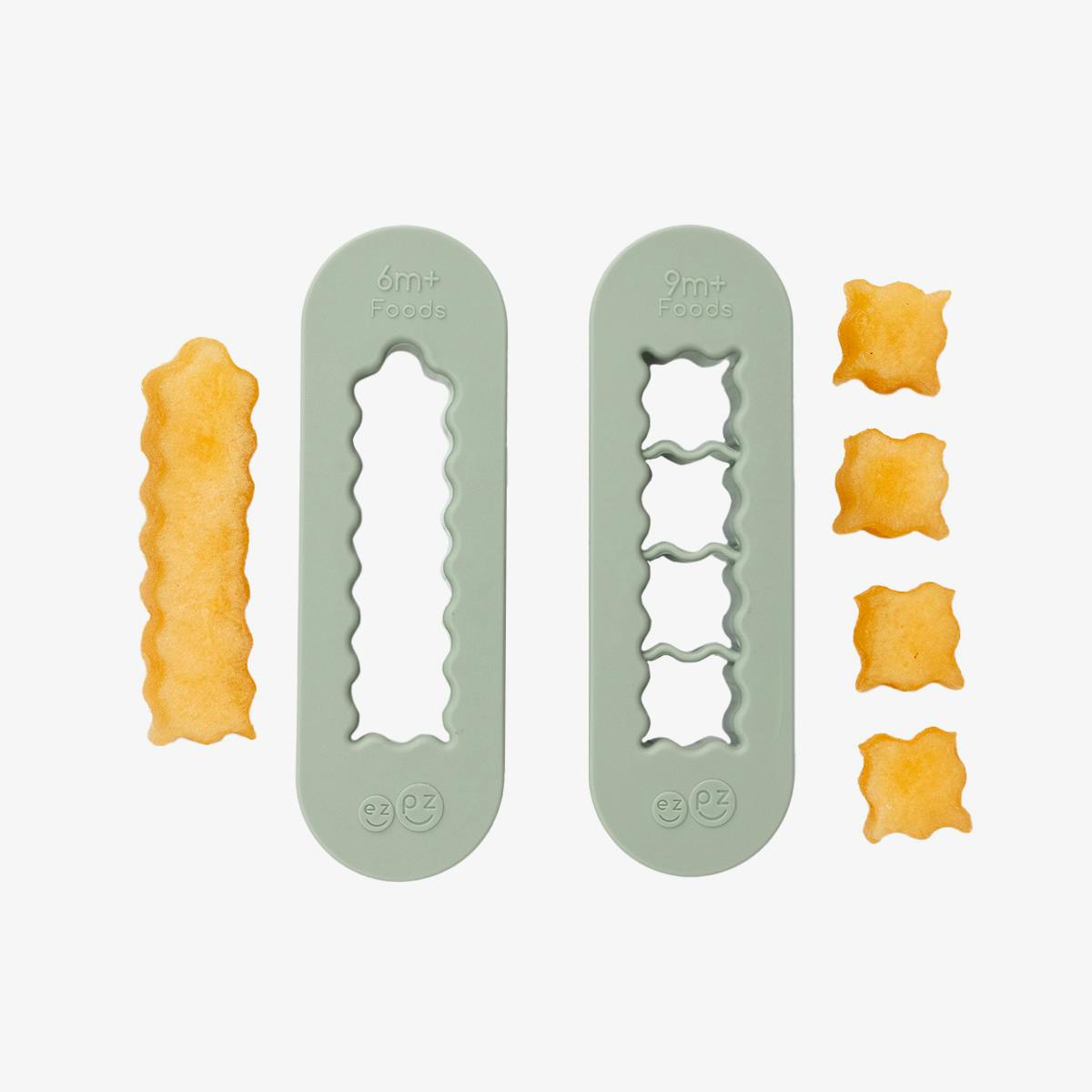
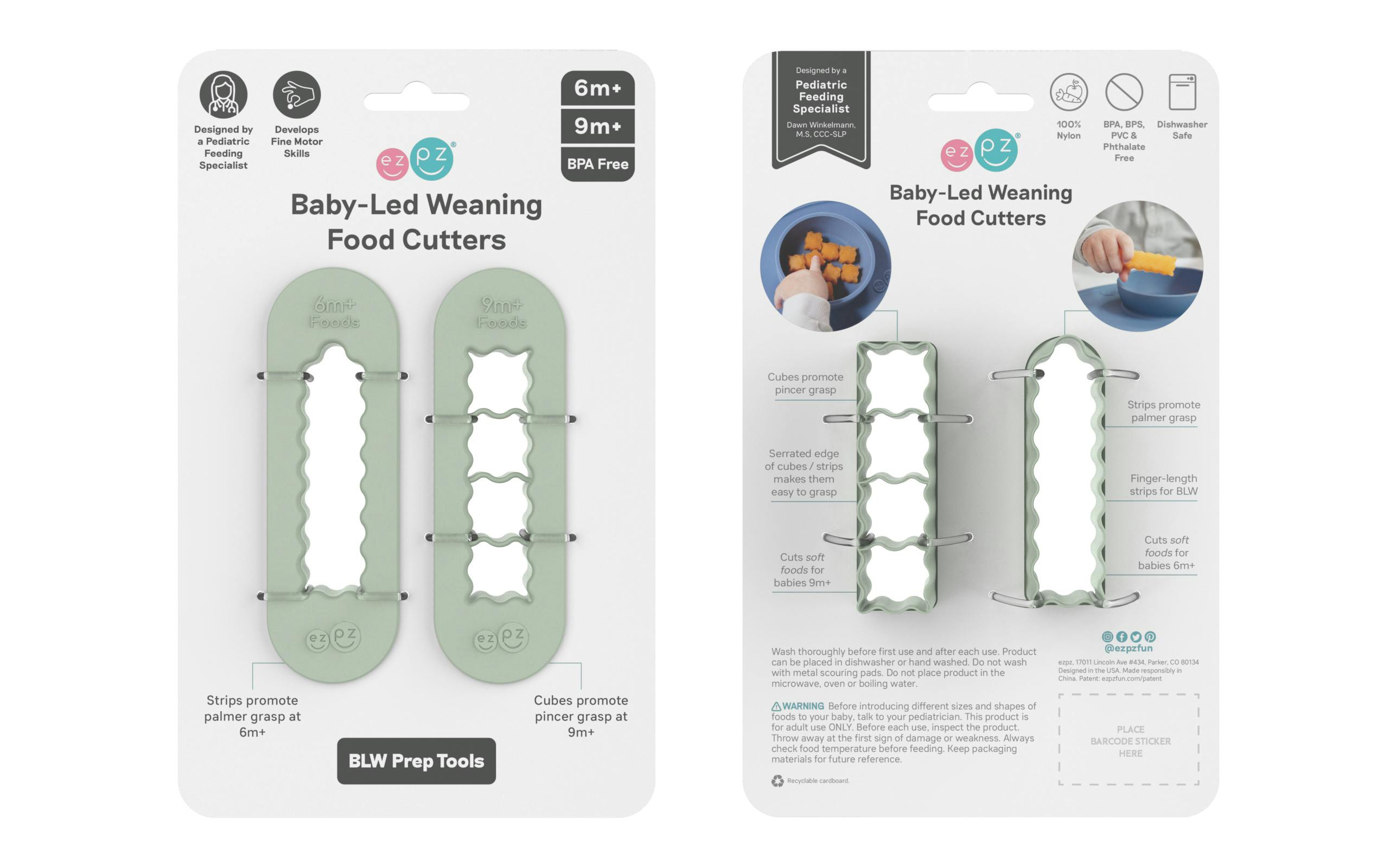
- Check out the ezpz Baby-Led Weaning Food Cutters and get 15% off with the code BABYLED here (this is an affiliate link)
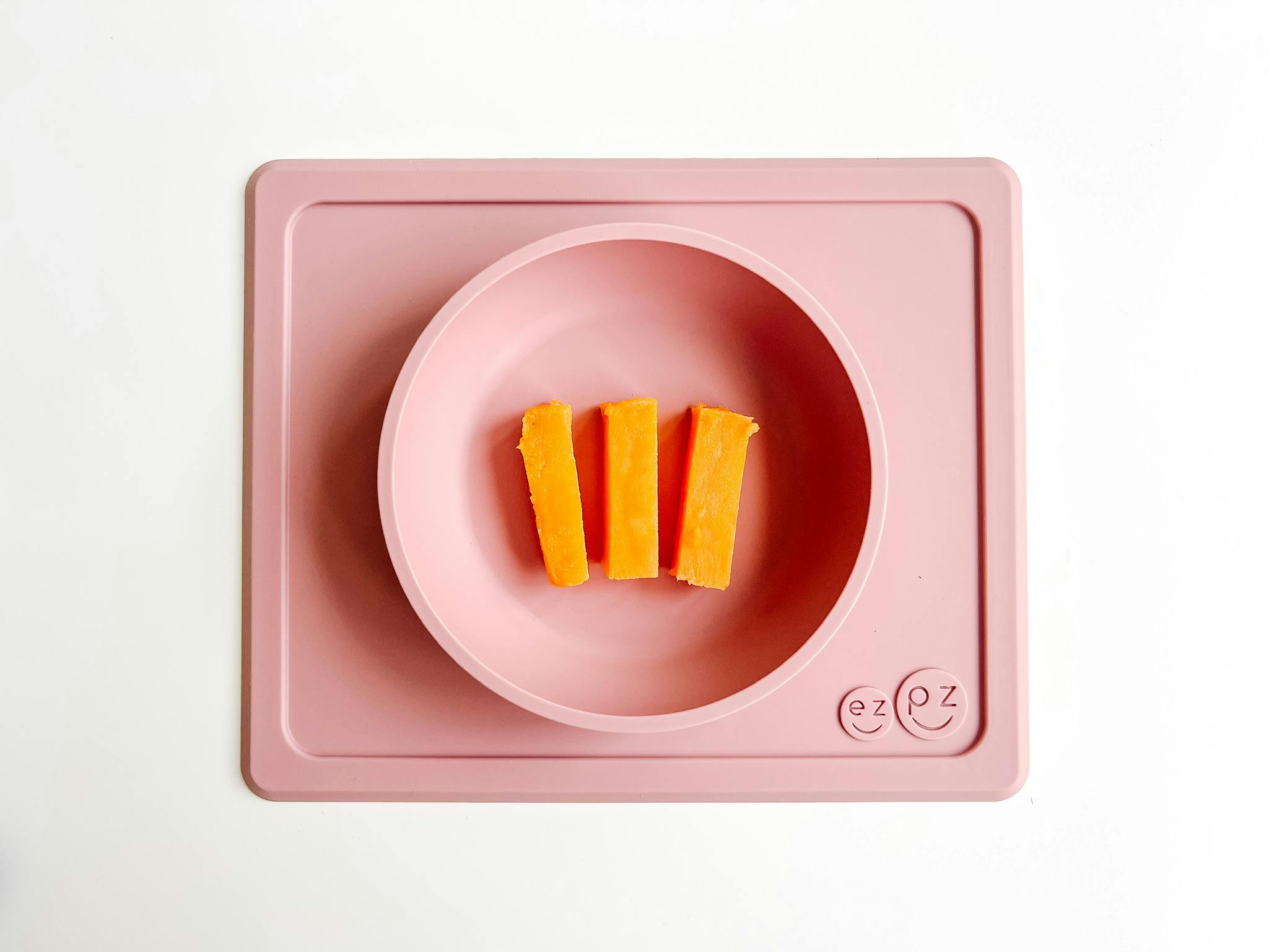
- Try the 3-strip approach Dawn teaches using the ezpz Mini Bowl and gete 15% off with the code BABYLED here (this is an affiliate link)
[insert one of the pics from this new album that Jessica is adding to week of 6/24 https://photos.app.goo.gl/MdhZZ6JvRfEYuPpy9 and link to ezpzfun.com/BABYLED?q=mini-bowls ]
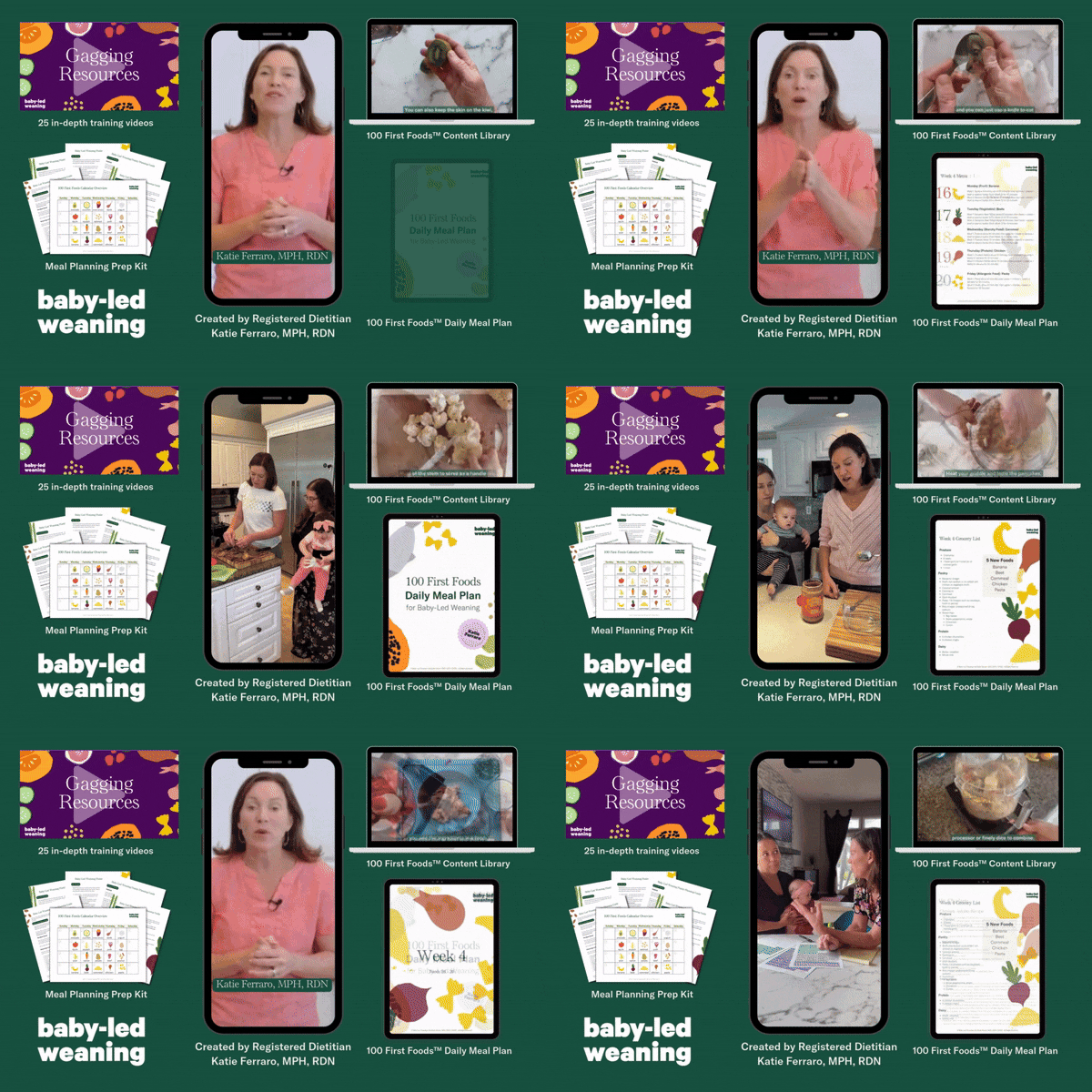
- Baby-Led Weaning with Katie Ferraro program with the 100 First Foods™ Daily Meal Plan, join here: https://babyledweaning.co/program and get $50 off when you sign up using the code BLWPOD50
JOIN NOW AT $50 OFF CODE: BLWPOD50
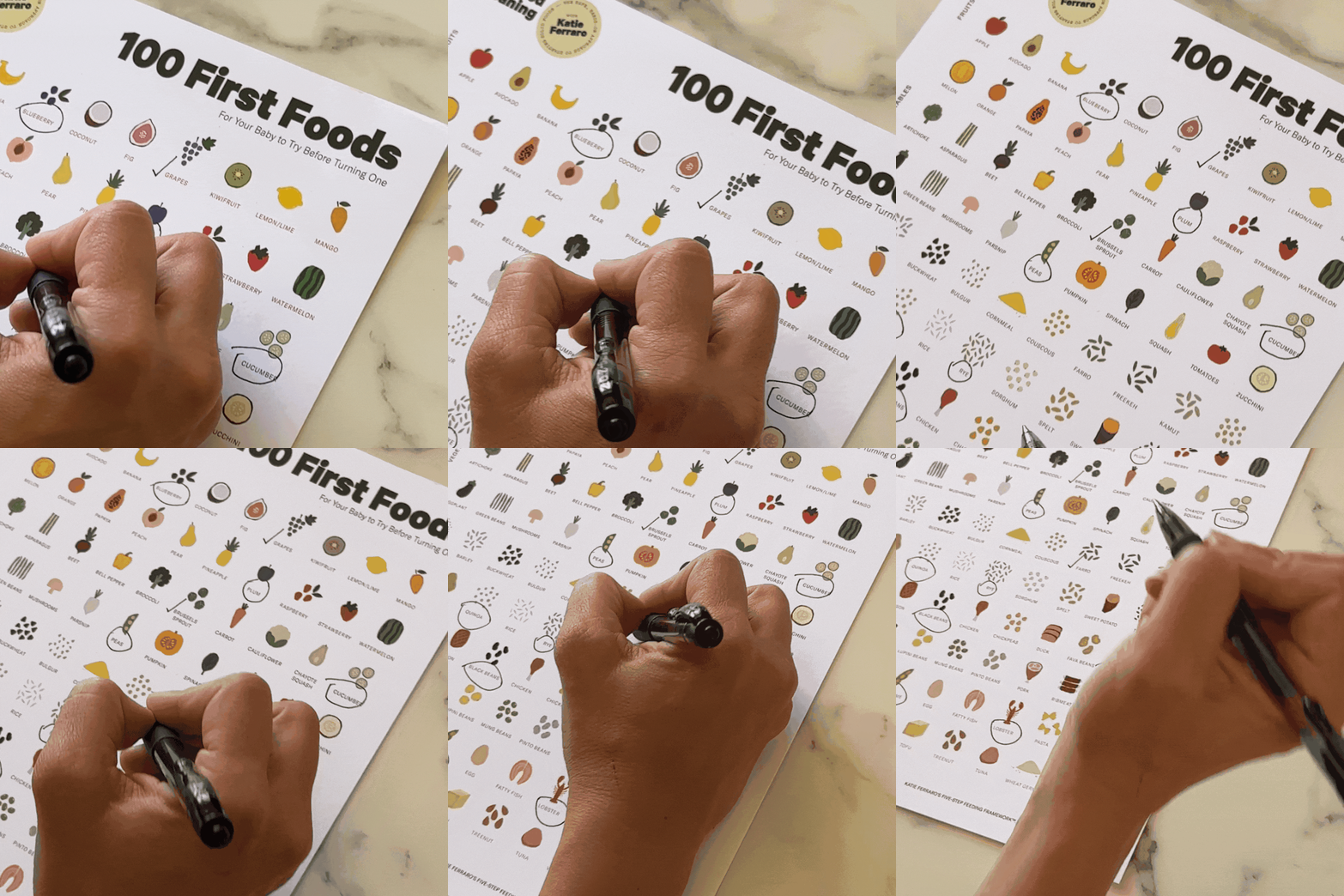
- Baby-Led Weaning for Beginners free online workshop with 100 First Foods™ list to all attendees, register here: https://babyledweaning.co/baby-led-weaning-for-beginners
Other episodes related to this topic

Latest Episodes


Hungry Root (0s):
The dog days of summer are upon us and I thought that this was gonna be a super chill, relaxing time of the year, right? It's the waning days of the summer season, but somehow it's now the busiest time of year our kids fall. Sports seem to be starting earlier and earlier every year. Somehow I'm already behind with back to school stuff and we're not even back to school. And I know for you with a baby at home, you're probably feeling like your life is still very much not on a schedule, but this schedule stuff, this is where Hungry Root has been saving me because honestly, I don't have the brain space or the time on my schedule for grocery lists or recipe ideas right now on top of everything else that's going on. Hungry Root is not just another meal kit. Hungry Root is a personalized grocery and recipe service that actually gets smarter the more you use it. So Hungry Root fills your cart and plans your meals based on what you like, what your family eats and your health goals. There's Smart Cart technology totally gets me now. It knows I like high protein, family friendly meals that take less than 15 minutes to prep. It's literally like having a personal shopper and a private chef. My last box had these amazing mango shrimp tacos, a protein packed Greek salad kit, these chocolate tahini cookies that I will admit I hid from my children, not 'cause I don't let them have cookies because they were so good. I wanted them all for myself. So easy to prep even with all of the kids still at home, kind of driving me crazy here at the end of the summer. Plus Hungry Root has helped me cut way down on impulse grocery buys and we don't have any wasted produce problems anymore. Their best price program even saves me money on pantry staples and snacks that I was gonna be buying. Anyway, you can take advantage of this exclusive offer for listeners of our show. For a limited time right now, you can get 40% off your first box plus get a free item in every box for life. All you have to do is go to hungry root.com/weaning and use the code weaning. That's hungry root.com/weaning code weaning to get 40% off your first box and a free item of your choice for life hungry root.com/weaning code weaning.
Dawn Winkelmann (2m 14s):
Sometimes it's a sensory issues and babies might love the texture or the flavor and just keep grabbing more before they finish what's already in their mouth. Or it's more of a sensory issue where they can't feel the food inside of their mouth and so they're trying to shove more in to kind of give them that sensory aspect. Other times it could be a motor issue, meaning that baby does not know how to move their tongue correctly or maybe they don't know how to consistently chew to safely manage the food.
Katie Ferraro (2m 43s):
Hey there, I'm Katie Ferraro, registered dietitian, college nutrition professor and mom of seven specializing in baby-led weaning. Here on the Baby-led weaning with Katie Ferraro podcast. I help you strip out all of the noise and nonsense about feeding, giving you the confidence and knowledge you need to give your baby a safe start to solid foods using baby-led weaning. Anyone listening, have one of those babies that gets real super excited about eating and I mean maybe a little too excited. All right, if you've got a baby who grabs their food fast, who stuffs it in their face, who takes giant bites, which in turn make your heart jump up into your mouth because you are so scared that they're gonna choke, you are not alone.
Katie Ferraro (3m 30s):
Okay, this idea of Overstuffing, it's a concept, it's a real thing. I thought my guess made it up, but Overstuffing is a thing. It is a totally typical part of learning how to eat for some babies, but it can also turn into something that's problematic. So today I am joined by Dawn Winkelmann. She is a speech language pathologist, a feeding therapist, one of my best friends. She is the product designer for ezpz, a company that makes developmentally appropriate baby feeding gear. She's a pediatric feeding expert, okay? And she's gonna break down exactly what Overstuffing is, why some babies do it, what you can do to keep feeling safe and keeping your baby safe without constantly having to intervene or take away their autonomy.
Katie Ferraro (4m 12s):
'cause we're gonna talk about some of the biggest mistakes the parents make when their babies do over stuff food. Dawn is gonna be sharing some of her signature strategies, including A simple trick using just three food strips. She's gonna talk about a relatively new product that she designed for Ezpz that's been really been helping families to streamline their baby-led weaning food prep. Just gonna teach a little bit about Overstuffing. So if you're stressed out by your baby's Overstuffing, thanks for being here and listening. With no further ado, here's Dawn Winkelmann talking about Overstuffing and What If My Baby Takes Big Bites?
Dawn Winkelmann (4m 49s):
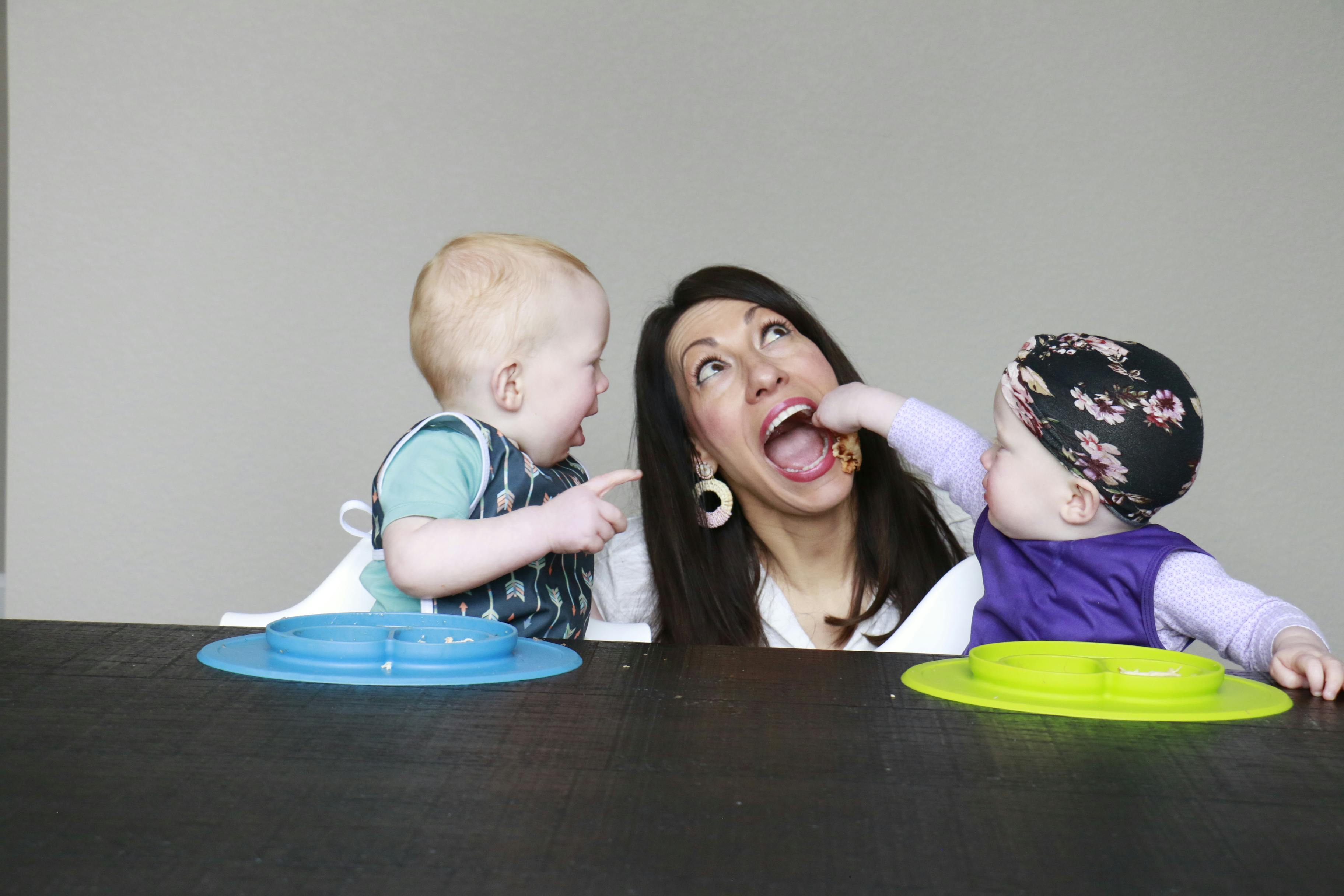
So I recently worked with a mom who was concerned about her baby Overstuffing during meals. She already had a feeding evaluation from another provider, but she wanted in-home feeding therapy, which is what I do. So I wanted to be able to observe what was happening in the natural environment. So I came over, I began watching a dinner routine unfold and everything seemed fairly typical at first. Mom was doing a great job with baby-led weaning techniques and strategies. I was offering some gentle tips here and there. And then dad came home from work and everything changed. Almost immediately. The baby began Overstuffing grabbing handfuls of food shoving into their mouth rapidly. It was such a dramatic shift that I had to reveal to the parents, You know, what was going on.
Dawn Winkelmann (5m 33s):
That baby was mirroring Dad, dad was a busy attorney. He only had 15 minutes to be able to eat in between meanings. So he got used to just eating fast. He hardly chewed, he just powered through his plate and his son was watching him every, every bite. He was like, You know, kind of going really rapidly and baby was going rapidly. So in this particular instance, instead of focusing on baby in feeding therapy, I had to have a conversation with dad and we talked about pacing and chewing and how babies can be little mirrors. And he laughed and was really, You know, good about taking this, You know, advice that You know.
Dawn Winkelmann (6m 15s):
And he came to realize that yeah, this is how I've had to learn to eat. But he was all in. He started modeling slower eating, he started chewing thoughtfully and within a few meals, baby began to slow down too. And for me it was like such a powerful reminder that babies learn by watching what we do. And in feeding therapy sometimes the work isn't just about coaching baby, it's really helping the entire family build habits that support that safe and calm, connected mealtime. And so that is my most recent Overstuffing story.
Katie Ferraro (6m 49s):
I love that story. I actually thought you were gonna say that the baby was like showing off for the dad. He wanted to show how fast he could eat. 'cause You know, it all happens all the time. I know you see this too, like parents start out, oh my baby's not eating anything and that's what they're complaining about. And then their baby kind of gets the hang of feeding themselves after a few weeks and then they're complaining, oh my gosh, my baby's eating too much. It's like no matter how many babies you fed, you still freak out a little bit on the inside if you see your own baby just really going after that food and stuffing it in their mouth. This term Overstuffing, it's pretty self-evident, but can you describe what Overstuffing is?
Dawn Winkelmann (7m 21s):
Overstuffing is when a baby puts too much food into their mouth at once. So, and I always try to explain it to parents that that amount of food is more than they can safely chew or move with their tongue or swallow. And it's common especially during the early stages of self-feeding because babies are still trying to figure out how to pace themselves and You know how big of a bite it should be and how to manage the food inside of your mouth. But sometimes it's a sensory issues and babies might love the texture or the flavor and just keep grabbing more before they finish what's already in their mouth. Or it's more of a sensory issue where they can't feel the food inside of their mouth and so they're trying to shove more in to kind of give them that sensory aspect.
Dawn Winkelmann (8m 9s):
Other times it could be a motor issue, meaning that baby does not know how to move their tongue correctly or maybe they don't know how to consistently chew to safely manage the food. But whatever the reason, it can make swallowing difficult and it can increase the risk of choking, which is why teaching parents about Overstuffing. And I'm so glad that You know we're having this conversation on your podcast because Overstuffing doesn't necessarily mean that your baby's doing something wrong. It just means that they need a little more support. Learning how to pace their bites and recognize their body signals. That's where developmental feeding tools and feeding strategies and even possibly feeding therapy can really help parents feel more successful and more comfortable with Overstuffing and help have some strategies for babies to be able to be safer when they eat.
Katie Ferraro (8m 57s):
Okay, so when you're talking about parental support, the next question the parents obviously ask is if the baby's not actively choking on food, what if anything should the parent do to intervene? And let's have a lot of scenario. I was working with the baby the other day. We were doing quinoa, which we had worked after this baby had already passed egg into a little patty like a finger food. It was a quinoa stick, nice and soft, passed the squish test. Nice long strips. The baby puts it in his mouth. The mom's freaking out, he put too much in there. Should I go in with my fingers and take it out? What say you Dawn Winkelmann?
Dawn Winkelmann (9m 27s):
Yeah, I tell parents that if your baby is not actively choking, meaning You know they're breathing, they're not turning blue, You know it's not silent. You can hear like the munching sounds and and they're actively taking breaths, then the answer is you don't jump in right away. Overstuffing can look very dramatic, but oftentimes it's just part of how babies are learning to manage the food in their mouth. They may gag a little and that's okay. Remember gagging is a protective reflex. It's how babies move the food forward so that it doesn't get too far back before they're ready to actually start to swallow. So this all helps to actually prevent choking. Now that doesn't mean that we ignore Overstuffing the baby regularly overstuff, then I always recommend going to a feeding specialist, which is an occupational therapist or a speech language pathologist like myself to assess their sensory e motor functions.
Dawn Winkelmann (10m 20s):
Oftentimes when I assess a baby that overstuff, that overstuff, I implement feeding strategies that parents can do to help decrease that choking risk. So here's a few proactive tips. One, you can offer an oral development tool or a teether before the meal to be able to help kind of wake up the motor and sensory input in the mouth before you start the meal. So before you offer your baby food, really getting some blood flow into the mouth so that your baby is ready to have those strips of food. I always use the analogy of like, it's kind of like you're stretching before you work out.
Dawn Winkelmann (11m 0s):
So You know you're kind of using that tool to be able to help facilitate chewing and getting your baby really ready for food. The second thing that I tell parents is to offer strips of foods with serrated edges. I designed the baby lid weaning food cutters for this exact reason. So the food cutters cut food strips the length and thickness of an adult pinky finger with some serrated edges so that it really can fit onto the gum line for babies and baby can have a handhold which will just automatically decrease over stuffing because baby is holding onto that strip and giving that sensory input from the serrated edges.
Dawn Winkelmann (11m 40s):
And then the third thing that parents can do is encourage open cup drinking. What this does, it can clear the mouth of food as baby is chewing and having that lip closure between bites can kind of help clear the mouth and help baby encourage a swallow. So to the parents of babies who have a tendency to overstuff, in my experience, those parents are nervous about this and not really knowing what to be able to do. So I find that those strategies are very easy for parents to implement. And You know, things that you probably already have in your cupboard, you probably already have a tether that you use with your baby, you probably already have an open cup.
Dawn Winkelmann (12m 22s):
And then if you just get a the food cutter with the serrated edges, You know you can implement these strategies and and really help your baby have that good sensory and motor functioning in the mouth to be able to help decrease the Overstuffing.
KiwiCo (12m 35s):
Hey, we're gonna take a quick break, but I'll be right back. The dog days of summer are upon us and I was just talking with a friend who is complaining that her grandkids have been slipping into that summer slide. So we were talking about screen time for toddlers and she was looking for ideas to keep the older of her two grandkids who's a 3-year-old. She wants them off the tablet, off the tv, we're looking kind of brainstorming other ideas and I was telling her about kiwi co crates. So Kiwi co develops hands-on projects and activities for kids of all ages. And what I love about Kiwi Co is that these projects come delivered right to your door on a regular basis. And right now Kiwi Co is offering their summer adventure series. So with the Kiwi Co Summer Adventure Series, your child will be delivered six hands on projects over six weeks. So we just did a dinosaur kiwi co set with one of my 7-year-old twins. He is very into dinosaurs right now and it was so fun to watch him build the kit almost entirely by himself and without my help. So I know as a parent it can be hard to find creative gifts that will keep your children engaged and challenged and off of the screens in the summer. But if you are down for a little gentle summer structure with projects that your kids can tackle while still learning, check out Kiwi Co. You can get started building the best summer ever with Kiwi Co and get $15 off your summer adventure series at kiwi co.com/weaning. That's $15 off your summer adventure at KiwiCo.com/weaning.
Katie Ferraro (14m 18s):
And at the top of that answer, Dawn, you mentioned the importance of knowing the difference between gagging and choking and that talk about how gagging is a good thing and You know it's s developmentally appropriate. But choking of course is something that parents need to be educated about. And while we know the research shows that there's no higher risk of choking when you start solid foods with a baby-led approach compared to conventional adult-led spoonfeeding, we still know that choking is a very rare but real risk. And so I think it's a good time to mention that you and I have both collaborated on a course along with a certified CPR instructor that's a choking prevention and response course. We, I don't actually promote or talk about that program very often because I think in what you and I teach, parents learn the basics of choking prevention and we always encourage parents to have CPR skills so they know what to do if their baby is choking.
Katie Ferraro (15m 4s):
But we also know Dawn, that there is this subset of parents who are just incredibly apprehensive and very scared about choking. And if that's you, we need to help you move past that because your baby does need to be experimenting with these developmentally age appropriate finger foods and, and you can use the tools like Dawn mentioned, the baby-led weaning food cutters to make You know, the perfect size food. But if you are scared to even do that, definitely do check out the choking Prevention and Response course. Dawn does an entire deep dive into the mechanics of how babies learn to chew and swallow. We did a separate episode on how babies learn to chew and swallow and I'll link to that in the show notes. But if you are particularly anxious, this is the course that we wrote and taught for you.
Katie Ferraro (15m 46s):
I do a ton of stuff on safe food preparation. Dawn talks about safe high chair positioning, basically all the things you go down the list and check the boxes that you are ensuring that you are doing the most you can to reduce the risk of choking. And this course has helped so many parents get over their fear of actually starting solid foods. And it's, it's one of the, I mean we've done a lot of teaching over the years together Dawn, but that's one of my, my most favorite programs because it's you a, a speech language pathologist, me as the dietician and the certified CPR instructor collaborating together to help alleviate parents' fears about choking. And it has had such wonder, we have such great feedback from parents. So check that out if you are interested, that'll be in the description where you're listening to or watching this episode. Yes. So Dawn, for parents of babies who have a tendency to over stuff, in my experience what these parents do is they're gonna move right to dripping the food.
Katie Ferraro (16m 33s):
Meaning that they're gonna put a piece of food out and wait for the baby to eat it. Then they're gonna do the same with another piece. At which point we both know they're not practicing baby-led weaning since the parent is the one driving the pace and the rate of food intake. How do you counsel parents who have babies who are Overstuffing if we both know that dripping is not the answer?
Dawn Winkelmann (16m 51s):
Yeah, when I see parents dripping the food, I teach them my three strip approach. And what that is, is I have three strips of food on the plate or on the bowl for the baby. The first strip is for the caregiver. This piece is for them to be able to pick up and model safe chewing and safe pacing and babies learn by watching. So we just literally show them how to do it. And that second strip of food is for the baby to practice while you're modeling. So you have that first strip of food, your baby has a second strip of food and they're trying to copy your movements, they're trying to mimic your pace of chewing, they're trying to explore the food with some visual guidance from you.
Dawn Winkelmann (17m 38s):
And then that third strip of food is for the baby to practice without support. So I am just letting the baby practice that without the model of me trying to show them how to be able to chew and pace. Can they handle it? Are they pacing better? This gives you a chance to kind of assess their progress and see are they building that mastery? And sometimes you're gonna have to do this, You know, over multiple, multiple meals. But if you use that approach then there's several pieces of food on the plate. It allows your baby to be able to facilitate the hand to mouth coordinations and to be able to kind of know, especially if it's a new food that you're offering and the 100 FIRST FOODS approach that the baby sees that this food is safe and that this food is something that you enjoy and that it's a wonderful way to let the baby experience baby led.
Dawn Winkelmann (18m 33s):
But adding a developmental aspect to it of allowing those visual cues and being able for baby to regulate the speed of eating and drinking and learning how to chew and so that they're taking safe mantal bites that is in a rhythm that they can start to be able to begin a routine with.
EasyPeasy (18m 53s):
I mentioned at the outset that Dawn is the product designer for Ezpz and they're a company that makes the original silicone suction line of mats and bowls and all of their products while adorable. I love them because they're developmentally appropriate. And so when she's talking about this three strip approach, I'll just share my favorite product for trying new finger foods for babies that don design. It's called the Ezpz Mini Bowl. Now I remember getting confused when I was new to the product line, like the tiny bowl, the mini bowl, the Happy Bowl. What's the difference? The Tiny Bowl is, is a little bit small for trying three strips of finger foods. It can work. But I really love the mini bowl. That's an eight ounce silicone suction bowl. And of course we don't care about portion sizes for babies, but it's just slightly larger than the tiny bowl. And a lot of you might have the tiny bowl if you got the Ezpz first food set, which is wonderful for starting solid foods. But if you feel like you might need like one additional bowl, check out the mini bowl. It has a rectangular footprint. It suctions really nicely to the flat dry surface of whether you're using a table or your highchair tray so that your baby can use at the beginning that whole hand or their palm or grasp to rake and scoop those finger foods up and into their mouth themselves. 'cause of course if we just put them right on the tray, the baby's gonna smash the food all around. The parents get frustrated, oh this doesn't work. Again, you don't need a lot of fancy stuff to start solid foods. But all of the products that Dawn has designed are developmental in the sense that they're designed to help your baby develop the skills required to become an independent feeder. So if you wanna check out that mini bowl, I'll link it up in the description, but you can also always go to Ezpzfun.com/babyled. And all of my favorite baby-led weaning products are lined up there and mini bowl is like top of the list. Dawn, I know it's old school, but like I love that one that's, I shot all of my original a hundred First Foods content in the mini bowl and I do to this day because a photographs beautifully. But it really, really is just like the perfect size for trying out that three strip approach. So Dawn, what about Overstuffing when it's not typical? Like when is Overstuffing problematic where you might a, a speech language pathologist be like, oh and a feeding therapist, which you are, hey this is not typical and you might consider feeding therapy. How do parents know the difference between what's typical and what's atypical?
Dawn Winkelmann (20m 57s):
That is a great question because Overstuffing is common when BBS first learn to self-feed, it's, it's a part of that learning curve, right? There are times though when it can be what in the feeding world we call red flags that it's not just typical developing behaviors. So a few signs of that Overstuffing might need a little bit more assessment from a speech pathologist or occupational therapist who specialize in feeding one. It happens consistently. It doesn't have to happen every meal, but if it happens every day, that is definitely something that I'm looking at and what I'm asking parents of.
Dawn Winkelmann (21m 40s):
The second thing would be that the baby doesn't seem to notice that their mouth is full. So if your baby is just just continuing to eat and just not aware, they're not attempting to chew or swallow, they're just kind of grabbing more food, that is something that is concerning to me as a feeding therapist. The third thing is that they're not clearing their mouth well. So they're not being able to swallow food is constantly falling out of their mouth 'cause they can't manage it and they're not being able to kind of, not to take a drink or be able to initiate that chew and swallow. And then the fourth is that there's repeated episodes of gagging and coughing.
Dawn Winkelmann (22m 20s):
So when I see when a parent's like my baby is Overstuffing, my baby is gagging a lot, my baby is coughing, these are very distressing and really not only impact stability for the parent to feel comfortable and enjoy mealtime and for the baby to enjoy mealtime, but as a medical provider, this is letting me know that baby is having a hard time protecting their airway. And so all of these signs can really let me know that this could be more than just, You know, a baby just learning how to self-feed. And then the last thing would would be if there's a history of feeding challenges and some of those are prematurity, You know, a tongue tie, difficulties with breast or bottle feeding or any other developmental delay, not crawling, not grabbing, not walking, those types of things that can affect the child's oral motor control and their sensory processing.
Dawn Winkelmann (23m 12s):
So if you are struggling with Overstuffing and also have some of these other signs, I would encourage you to reach out to a a speech pathologist or occupational therapist.
Katie Ferraro (23m 22s):
And I also wanna remind everyone that we did an episode on how do I know if my baby needs feeding therapy? That was an interview with Dawn and if you go to episode 152, she gave a lot more great recommendations in there for what's typical versus what's not and when to seek additional help. So Dawn, tell our audience where they can go to learn more about your work and to support all of the amazing products that you're developing for Ezpz.
Dawn Winkelmann (23m 45s):
They can reach me on my website at Miss Dawn SLP.Com. They can also reach me on Instagram @MissDawnSLP and then they can find my products@ezpzfun.com/babyled.
Katie Ferraro (24m 2s):
Thank you so much, Dawn, I always love chatting with you and appreciate the lesson on Overstuffing.
Dawn Winkelmann (24m 7s):
Thank you.
Katie Ferraro (24m 8s):
Well, I hope you enjoyed that interview with Dawn Winkelmann all about Overstuffing. Remember her and I co-teach a Choking Prevention and Response course. If you wanna check that out, it's linked up in the description. If you use the code Katie 10, I just double checked it. That works for an additional $10 off that course. So again, we talked about it in the episode, it is not for everybody, it's just for that subset of parents who is just so anxious about their baby choking on food. Dawn, myself, our other colleague who is a certified CPR instructor that three of us co-teach the Choking Prevention and Response Course and that code Katie 10 knocks another $10 off this like already super affordable course. And Dawn mentioned some of the products that she designed for Ezpz, particularly the baby-led weaning food cutters.
Katie Ferraro (24m 48s):
If you wanna check out any of the Ezpz feeding gear, the Code BABYLED works for 15% off. If you go to Ezpz fund.com/babyled LED, it'll auto populate with all of my favorite baby-led weaning products. The food cutters are on there as well as some other great gear. Again, the Code BABYLED works for 15% off at Ezpz. Thank you so much for listening. I'll put all the show notes for this episode on the show notes page, which is blwpodcast.com/54. A special thank you to our partners at AirWave Media. If you like podcasts that feature food and science in using your brain, check out some of the podcasts from AirWave. We're online@blwpodcast.com. Thanks for listening and I'll see you next time.
The Energy Podcast with Chris Hadfield (25m 38s):
I'm Chris Hadfield, astronaut and citizen of Planet Earth. Join me on a journey into the systems that power the world. No politics, just real conversations with real people shaping the future of energy. Listen, Wherever you get your podcasts.
The Program Baby-Led Weaning with Katie Ferraro
A step-by-step digital program for starting solid foods safely and navigating the original 100 FIRST FOODS™ meal plan with baby-led weaning.
 EXPERT-LED, PROVEN APPROACH TO EATING REAL FOOD
 CONCISE VIDEO TRAININGS TO MASTER BABY-LED WEANING
 100 FIRST FOODS DAILY MEAL PLAN WITH FOOD PREP VIDEOS
Baby-Led Weaning for Beginners Free Workshop
Is your baby ready to start solid foods, but you’re not sure where to start? Get ready to give your baby a solid foundation to a lifetime of loving real food…even if you’re feeling overwhelmed or confused about this next stage of infant feeding.
Get baby-led weaning recipes and tips delivered to your email inbox.