
Salvage Food: How to Save Money and Safely Feed Your Baby with Hope from Under the Median
- How to reduce spending gradually and not feel deprived
- Actionable steps to find the best deals on meat, produce, and shelf stable items and which stores you should check out
- What best by dates mean and how to know if a food is safe

LISTEN TO THIS EPISODE
Episode Description
If your grocery bill is breaking the bank, Hope Ware from Under the Median can help. Hope and her husband create content that help families “live abundantly…on a budget.” In this interview Hope is sharing some lesser known tips for saving money on groceries now that your baby is eating real food. She’s chatting about salvage stores, best buy dates, rain checks and the value of getting to know the people in your grocery store who can help you save even more money.
About the Guest
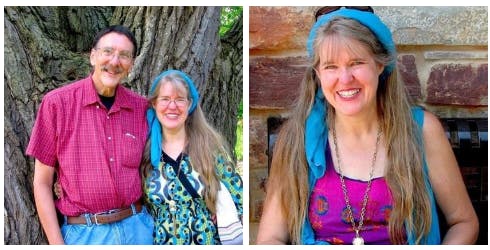
- Hope and her husband teach families practical frugality skills so they can pay off debt and live a life they love while keeping their spending under control
- Hope believes in actionable steps that families can adapt for their needs and lifestyles
- She walks families through how to find deals and reduce spending without feeling deprived
Links from This Episode
- IG @underthemedian
- Hope’s Youtube channel
- Baby-Led Weaning with Katie Ferraro program with the 100 First Foods™ Daily Meal Plan, join here: https://babyledweaning.co/program
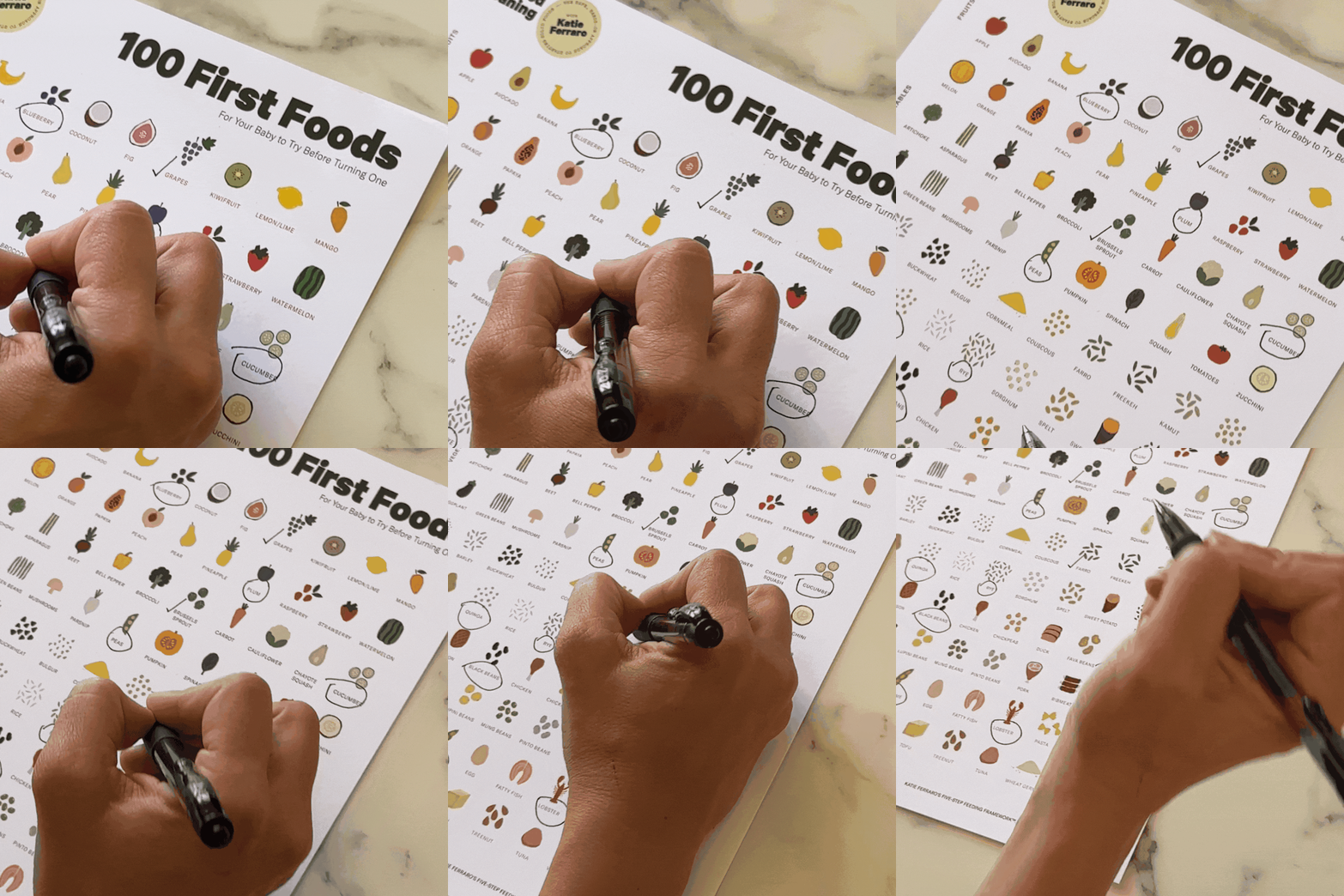
- Baby-Led Weaning for Beginners free online workshop with 100 First Foods™ list to all attendees, register here: https://babyledweaning.co/baby-led-weaning-for-beginners
Other Episodes Related to this Topic
- BLW Made Easy podcast episode 89- Freezer Aisle Finds for Baby-Led Weaning
- BLW Made Easy podcast episode 70- Canned Foods that CAN Work for Baby-Led Weaning

Latest Episodes




Hope Ware (0s):
Make sure you buy seasonally. You're always going to find strawberries on sale in the spring. You're going to find 'em at their lowest price. So why not go ahead, buy a lot of strawberries and put them in the Freezer and then you're eating those strawberries you got for a $1.49 quart. You're eating those in December. Hey
Katie Ferraro (16s):
there! I'm Katie Ferraro, Registered Dietitian, college nutrition professor, and mom of seven specializing in baby-led weaning. Here on the Baby-Led Weaning Made Easy podcast, I help you strip out all of the noise and nonsense about feeding, leaving you with the confidence and knowledge you need to give your baby a safe start to solid foods using baby-led weaning. My best friend is a great cook and she does not have kids. So she loves to grocery shop. I hate to grocery shop. She cooks for two people in her household. I cook for 10 hours. We were at the store together the other day and I said I wasn't going to buy the cauliflower because it was too expensive.
Katie Ferraro (56s):
And she said she never thought about the price of cauliflower. And I am a super frugal shopper So, it was kind of a chore because the price of groceries and buying food is constantly top of mind for me as is for many people because food prices are sky high right now. And I would say I am mid to high level frugal when it comes to grocery shopping. But my guest today is a next level because she runs an entire YouTube channel about living frugal for your family called Under the Median. So Hope Ware and her husband Larry are all about living with joy and abundance on a budget. On their YouTube channel, they do challenges like living on a $50 grocery budget a week and how to save $300 a year on laundry with four simple changes.
Katie Ferraro (1m 37s):
And Hope has so many tips about how you can save money as you start to buy real foods that your baby can safely eat with baby-led weaning. Hope and Larry are the parents of four grown boys. They started their YouTube channel together as a pandemic project, but it's grown to this really vibrant community of savvy savers and Hope was gracious enough to come on and share some really actionable tips that you can put into practice today regarding shopping for groceries on a budget. So Hope will be teaching us about Salvage Food stores, how they work, how they operate, what they sell, why it's so cheap. She's telling us the difference between all the dates, right? Like the buy by date and the sell by date and the best buy date. What do they mean? Which ones should you definitely snatch up when you see them And then she's sharing the one category of food that you should never buy from if you see it for sale past the best buy date.
Katie Ferraro (2m 19s):
So with no further ado, I want to introduce you to Hope from Under the Median teaching us about Salvage Food stores as well as how to save money and safely feed our babies.
Hope Ware (2m 32s):
Thank you for the invitation.
Katie Ferraro (2m 33s):
So I've recently discovered your YouTube channel, Under the Median. I am like the biggest fan, totally hooked. Tell us a little bit about yourself and how you and Larry got into this particular line of work and content.
Hope Ware (2m 44s):
So Larry and I have been married for 34 years and two months after we got married I opened the bank statement and discovered that we were flat broke and he came home from work and I said, you know, we gotta figure out this finances thing, we've gotta figure out how to make ends meet on what we're making right now. And I became a student of finance. I read nearly every book on the library shelf on personal finances and I began to implement all of these tips and strategies that I was learning and pretty soon, sure enough, we started coming out with positive rather than negative balances at the end of every month. And, we began to gain traction.
Hope Ware (3m 23s):
Long story short, over the past 34 years, we have had four boys and we raised them debt free even though our income was always significantly under the U.S. national average income. So our background is in radio and television by the way. So when the boys started growing up and leaving home, I said we kind of need like a venue to share everything we've learned with other people. So that's when we started the YouTube channel.
Katie Ferraro (3m 49s):
Wait, how long ago was that?
Hope Ware (3m 50s):
It's been about three years; I think when we started the channel over the past two years it's really gained a lot of traction. I
Katie Ferraro (3m 56s):
am always inspired by people who work with their spouses and you guys are just like amazing dynamic on camera and also your energy, just talking with you now, is like exactly the same, you guys, on your YouTube channel. You never know if people are going to be the same, but like you're coming in with a lot of energy and I love it Hope.
Hope Ware (4m 11s):
Well, Larry's retiring in December,so this is going to test the limits of that "spousal working together" relationship.
Katie Ferraro (4m 18s):
Oh wow. So what line of work was he in?
Hope Ware (4m 21s):
So he worked in television for a long time and he's worked for our local government for the police department for the past 20 years in the property and evidence room. So it's a little different line of work, but still his organizational skills he put to work there, so.
Katie Ferraro (4m 35s):
And where are you guys located?
Hope Ware (4m 36s):
We're in Peoria, Illinois.
Katie Ferraro (4m 38s):
Oh, well we're here today to talk about some ways to save money and safely feed your baby. Before we dive in, I just wanted to ask, do you have any thoughts on the whole proposed purchase of Albertson's by Kroger? It's the big news this week at the time of recording, which is in October, but we're making essentially like three huge primary grocery store players in the U.S., what do you think? Yeah,
Hope Ware (4m 55s):
you know, so I am actually old enough to remember when Ma Bell, when AT&T was forced by the government to break up because they were a monopoly. That was January of 1984. And so as I thought about it, I'm not thrilled with the whole idea of having only three major players, but I really believe that choice is so important to the American population that what will happen are some things that are actually really positive out of it. I think that you are going to see some smaller grocers band together and in order to buy some things at a bulk price and pass that savings on to their customers. What I also think is going to happen as a byproduct is you're going to see a lot more cooperative activities among just the general population in helping one another to be able to purchase food at a lower price.
Hope Ware (5m 42s):
So I think that the byproducts are going to be good, but I think, you know, it's going to take a little while for that to settle in and figure out how people are going to find food that they can afford.
Katie Ferraro (5m 51s):
And it's no secret, Hope, grocery prices are painfully high for most U.S. Families these days. I teach a cultural foods class at San Diego State University, And, we were talking to students about like how even though prices are high in the U.S. We still spend a relatively smaller proportion of our disposable income on food compared to other developed countries. So just your thoughts on like what's a good percentage of your household budget as a family to be spending on groceries?
Hope Ware (6m 13s):
You know, rather than focus on that percentage, here's what I always focus on because when you are lower income, that percentage is always high enough to freak you out because automatically your percentage is going to be more maybe than average or more than other people's just because of the fact that your income is lower. So I tell people to focus on two things. The first thing that they really need to know is the average amount that they're spending every single month on food. And then the second thing that they need to be super aware of is how they're spending those food dollars. What are you actually buying with those dollars? Because when you are able to really look it in the face and say, Okay, we're a family of four, I'm really spending a thousand dollars a month on food, which is average by the way, then your first reaction is going to be, "Oh my gosh, I'm going to cut that in half."
Hope Ware (7m 2s):
And what will happen in 10 days is you're going to have a general mutiny by your husband and your children. They're going to say, "There's no way you must stop doing this because you tried to cut too much too fast." So instead of doing that, if you already know, okay, here's the lay of the land, here's what I'm really spending my grocery money on, you're able really quickly to go in and say, Okay, well you know what? I can stop spending so much on snack food instead I can do this. We're huge proponents of instead of here's what we're going to do. And so when you're able to do that, you're able to say, the first month I'm going to cut 10% off. Easy to do the next month that went well, we're going to cut another 10% off. And then pretty soon you're a whole lot closer to where you want to be.
Hope Ware (7m 42s):
But it's been relatively painless because you haven't tried to do it all at once.
Katie Ferraro (7m 46s):
So hope. What are Salvage Food stores and how do they work and are they safe?
Hope Ware (7m 51s):
Okay, so Salvage Food stores purchase large amounts of food from either directly from the manufacturer or from the distributors of food. Now they're able to do that, they buy it in huge pallets and then they reprice it. Generally, you're looking at savings that they pass on to you, the consumer somewhere between 40 and 75%. And our experience it's been closer to 75% than it has to that 40 or 45%. Now what kind of foods are you going to find there? You may find foods that it was manufacture overstock, they just made too many of them like we're just going to offload a bunch of these. We're going to offload them at a super low price just to get them out of the warehouse.
Hope Ware (8m 32s):
You might also find manufacturers who redo their food labels. So even a change in the font size or the color on the label or what is said on the label or their picture on the label, any of those things can result in that manufacturer getting rid of all the food that is their old label. Nothing wrong with it. It may not even be close to the expiration date or the sell by date of that food. They just simply don't want it in the warehouse anymore. A third scenario is they, they have this flavor and they thought it was going to be massively popular and it wasn't massively popular. So they're going to take that flavor and they're going to sell it off to those wholesale distributors to then pass on to you.
Hope Ware (9m 15s):
Now then of course the fourth kind of food that you're going to find in a Salvage Food store are those foods that are close to the sell by date. And it's that that kind of freaks people out a little bit.
Katie Ferraro (9m 26s):
Hey, we're going to take a quick break but I'll be right back.
Ad (9m 34s):
So Angie and I do the All Creatures podcast and so Angie, do you have a favorite moment of doing this the last few years? Oh yes Chris, I remember early on covering Poison dart frogs and learning that the dad's piggyback the Tad pools to a water source For me was the honey badger. The fact that they can take a Cobra snake bite and just sleep it off like it's no big deal, it just blew me away. Oh and I developed such a conservation crush when I interviewed Chris Fischer from OCEARCH. He's such a rockstar in the conservation world, pulling those great whites up out of the ocean to do research on them and then putting them back in so we can learn about where they live and where they breed. Incredible.
Ad (10m 13s):
Each week Angie and I explored and And we share these details about these animals that you probably don't even know exists. And both Chris and I are PhD scientists and educators. And, we do the deep dives of the scientific research and bring it back to you in a fun and educational way. Yes we do. And you can find the All Creatures podcast wherever you get your podcasts.
Katie Ferraro (10m 39s):
So let's talk a little bit about the sell by dates because I know as a Registered Dietitian we learn in our training all about the different codes and the pricing and the what you're allowed to sell. What best buy used by sell by is. But I can't as a also consumer and a mom. I can't freaking remember, there's too many different dates. So do you have any easy way to know like with the different dates, which one's safe to eat or are they not allowed to sell stuff that's not safe to eat or buy at
Hope Ware (11m 5s):
all? All right, so best buy, sell by freeze, by used by all those dates have nothing to do with whether the food is safe to eat. It's still considered a GRAS food, generally regarded as safe. It has more to do with being able to consumer when it's maybe a top quality, when it has the best flavor, when it's the freshest, it has more to do with that than it does whether it's safe or not. Knowing one notable exception and that's baby formula. Never buy, never use, never do anything with baby formula that is past that sell by or used by date. Other than that you can safely eat these foods. Now what does tend to happen after a certain period of time though with these foods we have noticed is that if it has oils in it, the oil will tend to get an off taste.
Hope Ware (11m 53s):
You might notice a taste that's not quite right or something like that in some of these foods and when it's way past that used by date. But I have found plenty of foods at Salvage Food stores that isn't even past the used by or sell by date.
Katie Ferraro (12m 7s):
For families who eat animal foods, we recommend introducing meat when they start solid foods around six months of age. And I have a lot of content teach all about how to make soft tre strips of meat that babies can safely eat, but parents are oftentimes intimidated by purchasing meat. I was curious if you had any tips on saving money on meat at the grocery store or wherever people are getting food from?
Hope Ware (12m 25s):
I do. Now we should preface it by saying that we've been a vegan family for 10 years. So it's been a while since I've bought meat at the grocery store. But when my four boys were young, we certainly did eat meat and there are a lot of tips that I can pass along to families who want to eat meat but not pay as much as those, those outrageous prices. Right, because meat has gone up so fast in the past 12 months that it's kind of difficult to keep up with those rising prices because the first thing that you want to do is become aware of when your grocery store discounts their meat. So they'll go through, there's nothing wrong with the meat, it's just close to that sell by date. So they're going to reduce it somewhere between 30 and 50%.
Hope Ware (13m 8s):
But what you want to do is not just walk into your grocery store, you're going to find four different places in your local grocery store. They have discounted items. One is the produce department, the dairy department, the meat department. And then there's generally like a general merchandise type department where you know, canned, foods boxes, bags, things that are shelf stable are all together in one area that are discounted. Rather than walk in and look at the meat department just to see what's in that little discounted area, find someone who works in that department and ask them what time of day do you generally do your discounts.
Katie Ferraro (13m 40s):
I remember when my youngest was a baby, I would always go in her old neighborhood. I would go to nine o'clock mass on Sunday and after I would go to the Von's grocery store and the butcher would be out and I was like, "Oh my gosh, 9:55 AM is clearly, on Sunday morning, when he discounts the meat." And he would, he's always like, "You're always here." And I was like, "Yeah, I'm always here because now I know when you're here." That's a great
Hope Ware (14m 0s):
tip. Yeah and you're going, "Kids we are going to early mass. Okay, no we're not going to late mass, we're going to the early one."
Katie Ferraro (14m 5s):
Why do we always buy donuts? Why don't we go buy meat after church
Hope Ware (14m 8s):
mom?" We did the same thing. We found out that the produce was discounted at like 12:30 and right on our way home from church we passed the grocery store and it was perfect timing every single Sunday.
Katie Ferraro (14m 20s):
Do they discount produce the same as meat like on a schedule? I guess I never thought about that.
Hope Ware (14m 25s):
They do and that's the thing people assume that every department in the store discounts at the same time every day. That's not necessarily true. Or they ask one person in the store, one employee and assume that it's the same. You need to ask a person that works in that department because you'll get the insider info on exactly what happens and when it happens and how it happens, that kind of thing. I have so many tips that I give and it was hard to narrow which tips I wanted to give. Okay, so when you go for those markdowns, the mistake people make is like when, let's say a cut of meat, let's say roast goes on sale and it's a phenomenal price and you get there, I had this happen to me years ago. I got there and like all that was left was three or four roasts that didn't look so good.
Hope Ware (15m 6s):
You know they had a lot of gristle, a lot of fat on 'em. I was like that's not what I want. So I spied the butcher and I said, "Hey do you have any more of this in the back?" He said, "We sure do. What do you want?" And he said, "You're looking for something that's nicely marble, doesn't have a lot of gristle or fat on it?" I said, "Bingo, that is exactly what I'm looking for." He said, "How many roasts do you want?" I said, "Give me about three to four pound roasts and I'm going to be a happy, happy woman." He went in the back and he hand packaged them for me and brought them out, same sales price as what was already out on the floor. Don't assume if it's noted on the floor that they don't have anymore in the back. Be very nice to your butcher and see if he will go find some for you. The other thing you can do is look for family packs. Don't be afraid to repackage when you DIY it, you do save money per pound on that meet but is something people don't often know.
Hope Ware (15m 54s):
And that is that if you have like let's say you know those pork loins that are just huge, they're beautiful but they are very, very large for small families. A lot of times the butcher, if you ask him nicely, if you say, "Hey can you just cut these individual like you know like three or four inch pieces for me?" He will cut it for you, repackage it, bring it back out, same price per pound as you would've paid for the whole pork loin only it's already precut for you. All you have to do is repackage you when you get home.
Katie Ferraro (16m 21s):
So I have to ask you a question about rain checks because I'm from a family of six. I'm the oldest of six, I have seven kids and I have a sister who has six kids and I think I'm frugal, but this sister like puts me to shame. And the other day we were talking about something and she's like, "Oh well shrimp was supposed to be this much but then I got a rain check" and her friend was like, "What's a rain check?" And my sister looked at her and she doesn't have a filter and she's like, "How do you not know what a rain check is?" And I was like, "Kelly, I think like younger people don't know what a rain check is." So, could you share what a rain check is and is it still a thing?
Hope Ware (16m 48s):
It is some. Now during the pandemic, the height of the pandemic stores stopped giving rain checks. But my understanding is they are starting to give them again, which is glorious for those of us who like to save money. If something is on sale at a fantastic price, you want to go up to the courtesy counter and say, "I'm looking for this product, it's sold out, could you issue me a rain check?" A rain check is a piece of paper, it's like a coupon they give you that allows you to purchase that item for the sale price anytime within the next 30 or 60 days it'll say on the rain check how many days that rain check is good for. So you can wait until it's restocked and then nobody's buying it because by then it's back up at the full price, not the sale price.
Hope Ware (17m 30s):
And you can go in and you can even put on the rain check, they're like, "How many do you want?" You know sometimes they'll have a limit for that rain check, you can only get five at this sale price. But other times they'll say, "I don't know, how many do you want? And I'm like, "10?" Or how many you think you're going to use. Go ahead. And I would put, if you're ever in doubt, put a little higher number on that rain check rather than lower. You can always buy fewer but you can't buy more. You're capped at the amount on that rain check.
Katie Ferraro (17m 57s):
And are you comparing it to a published price like in the circular or in the little newspaper you pick up when you walk in the store? Like how do you know what the sale price is supposed to be if it's not there on sale?
Hope Ware (18m 5s):
Right. Well it'll say on the rain check it'll say you can purchase it anytime in the next 30 days for this price per pound or this price per package. It'll be listed on the rain check what that price is that they need to sell it to you for.
Katie Ferraro (18m 18s):
Do you recommend checking your grocery store circular, like online? Like I know for me I'm not going to go to the store and see what's on sale. I need to know before I get to the store what I'm going to buy based on the recipe that we're going to make, et cetera.
Hope Ware (18m 28s):
Absolutely. And what you're looking for when you open that grocery store flyer, what are called "loss leader items." Loss leader items are usually those items that are on the front of the grocery store flyer and they're the ones that you go, "What? They're all for it for that price?" So the whole idea with loss leaders is that in a theoretical sense, the store is taking a loss on those leader items, which means that they're actually selling it below what it actually cost them. Now whether they are or not, eh, I don't know, but it's a marketing scheme and the the whole idea of it is that they believe once you get into the grocery store to statistically you're going to stay in that grocery store and you're going to buy all the other things that are on your grocery list, whether they're on sale or whether they're not on sale.
Hope Ware (19m 12s):
Now they know that this actually works. Now for people like you and me, we're going to make a list of those lost leader items, go in, buy those items and walk back out again. But overall the grocery stores do make money not because of the lost leader items, but because of the rest of the items you buy while you're already in the store.
Katie Ferraro (19m 28s):
So, Hope, our program helps babies safely eat 100 different foods before they turn one. And one of the food categories on my 100 First Foods list are these starchy foods. So we have lots of whole grains on there and some of them are new to families and a little bit intimidating. So any tips on saving money if you're buying grain foods like farrow and couscous, we do sorghum and quinoa, things like that. What are some good ways to save money?
Hope Ware (19m 52s):
Okay, so some of these are unfamiliar to people. So I'm going to give you some ideas first on what to do if you want to try some of these new things and you're like, "I really don't know if we're going to like these." So one of the places that I've looked and found smaller amounts is on that general merchandise markdown area. In my local grocery store you'll find a pound bag of couscous marked down 50% of what it would've cost you had you bought it at the not sale price. So they'll mark it down about 50% just to sell it and get it off their shelves because they have a lot of inventory and rotating that inventory through. Super important to grocery stores. The other place I have found some of these interesting grains is at Big Lots, believe it
Katie Ferraro (20m 33s):
or not. Yeah, Big Lots always has the Bob's Red Mill, which is really expensive when, I mean I love Bob's Red Mill, but it does get pricey when you buy all the grains. But Big Lots always has them. You're right. And those are safe to eat, right?
Hope Ware (20m 42s):
Oh absolutely, absolutely they are. Now the other place is ethnic food markets. I think not enough people walk into ethnic food markets in their area, they find them a little intimidating, but boy, once you go there, you're going to find amazing opportunities to purchase food at a much lower cost than you would at a traditional grocery store. One of my favorite ethnic food markets is a place called the Mediterranean Market here in town and the owner and I have become friends over the years, but you walk in and you just say, "Hey you know what? I don't know much about farro, can you tell me how to cook it?" Oh my gosh, they will be so excited to tell you how to cook that pharaoh. You'll get the insider scoop and a lot of times when they get to know you then you're going to become one of their favorite customers and they're going to let you know when they're able to purchase things at a lower cost.
Katie Ferraro (21m 30s):
And I feel like we're in San Diego, we have a lot of Vietnamese grocery stores, we have a lot of Hispanic grocery stores. The produce is so much fresher, so much cheaper than what you would find at your traditional grocery store. Like I don't know if you know about like apples and tomatoes in California, but they taste terrible. But when you go to stores a little bit out of your comfort zone, not only do you sometimes get better quality, but you also get a better price and you're exposed to new foods. That cultural foods class I was telling you about, one of the assignments is we make the students go to an ethnic grocery store outside of their comfort zone. Like if you've been to a Mexican market before, you cannot go there. And we also do the same thing for a restaurant. So if you've, you know, had sushi, that doesn't count. But if you're going to go to a new Mediterranean or you're going to go to a Jamaican restaurant and they, like years later, students will come back and be like, I remember nothing else about your class Katie except for when you made me go to the grocery store and I saw like beef tongue for sale and or now I shop at H Mart for my vegetables because no one ever made me go in there before.
Katie Ferraro (22m 24s):
But like it's just to open your eyes to other ways to grocery shop that aren't the traditional grocery stores that you might have grown up with.
Hope Ware (22m 30s):
Our, our ethnic grocery store has hands down the best prices in town on organic food.
Katie Ferraro (22m 36s):
So fruits and vegetables are two other categories. Great for babies especially because the produce contains vitamin C and the vitamin C helps the babies absorb iron from the other foods. I think a lot of parents shy away from buying fruits and vegetables historically, they think, "Gosh, I'm just going to waste 'em. I won't use 'em all or they're expensive." Any tips for saving money for us on fruits and vegetables?
Hope Ware (22m 54s):
Interestingly, so when you research the most thrown away item in the American home, it is fruits and vegetables because they have a shorter shelf life. So one of the things you want to look at with fruits and vegetables, first of all don't be afraid of the frozen foods section because they have been picked at the height of freshness and they have been frozen very, very quickly. So they actually retain many of the nutrients that they do when they are fresh. So don't be afraid of looking at that and don't be afraid of buying a fruit or vegetable and then freezing it yourself and putting it, you just need to know which ones. Some of them need to be blanched before they're frozen. There are a few of those but others you can just freeze directly.
Hope Ware (23m 35s):
I just put 'em on a pan that's that has a ate liner on it and then freeze them in a single layer and then take them off and put them in a Freezer bag. Make sure you label 'em because it's amazing how many things look alike after they been in the freezer for you. You're like, "What is that?" Make sure you label it and date it, but don't be afraid of doing that. The other thing to do is make sure you buy seasonally,
Katie Ferraro (23m 57s):
Hey we're going to take a quick break but I'll be right back.
Ad (24m 5s):
Do you think you need to interrupt your day in order to meditate? You just need a way to make meditation a natural part of your day. Think simple. A simple technique can release anxiety, improve your mindset and help you sleep better. Simple is better and the daily meditation podcast can show you how in just 10 minutes or less hear simple powerful ways to transform your life because simple can make all the difference. Find the daily meditation podcast wherever you listen to podcasts.
Hope Ware (24m 42s):
Look, you're always going to find strawberries on sale in the spring. You're going to find at their lowest price. So why not go ahead, buy a lot of strawberries, freeze them and put them in the freezer and then you're eating those strawberries you got for a $1.49 a quart. You're eating those in December when now they are $4, $5 a quart in the grocery store.
Katie Ferraro (25m 2s):
So many parents in our program are like, "Why don't you just tell me exactly what day to eat which food?" It's like we really try to make our hundred first Foods program not prescriptive because A, there's no science that says you have to do strawberries on day two. But also if you're starting in December and strawberries aren't seasonally available, listen there's 19 other fruits on the 100 First Foods list that your baby could eat with. There's nothing that says you have to do it now I want you to get in the habit of buying seasonally available food. Not only because it's more affordable but it tastes
Hope Ware (25m 27s):
better. Yeah. Oh it so does. And so, so I have a rule that I'm still trying to follow fruits or vegetables a dollar or less per pound and that's hard to do these days. I just found grapes at Aldi for 95 cents a pound. I was so excited. I told the checkout clerk how excited I was, she was excited with me.
Katie Ferraro (25m 45s):
I love that recommendation. A dollar or less per pound fruits or vegetables, I will second that. It's really hard to do that these days, but you don't have to buy everything, right? You can try one new thing. And, we always say that with your baby. We recommend trying five new foods a week for the baby. It does have to be a new food to you, but if it's new to your baby and you can get it at a a price that's affordable and make it in a way that's safe, you don't have to go buy all these expensive prepackaged baby foods, which to be honest have a lot of things and then babies don't need, they end up costing you so much more and you're not teaching your baby how to eat real foods.
Hope Ware (26m 15s):
Oh, absolutely. So I will say like with our boys, I breastfed forever. My husband says forever. It was a number of years with the boys that I breastfed them at cloth diaper and I also made my own baby food.
Katie Ferraro (26m 28s):
All right, so what did that look like? Like four boys? What were you making 'em as far as eating foods goes?
Hope Ware (26m 33s):
Okay, so the first thing I did was I looked for single ingredient foods at the grocery store. That was just the fruit or the vegetable or the whatever. All right. So and then I would steam it until it was really, really soft and I would pulverize that thing in the food processor until it was completely smooth. Freeze it in ice cube trays. The average ice cube tray is about two tablespoons of food and I would just thaw the number of tablespoons of food that I needed for that baby for that meal.
Katie Ferraro (27m 1s):
Okay, that's a lot of work. It sounds like the baby can just eat the real food too is what we're teaching. But I love this idea of buying this single ingredient food because you're not buying it with a bunch of added sugar or salt or ingredients that you can't pronounce, which is lock stock with all the other processed food stuff we want to be avoiding. You have so many great recommendations. I know it's hard to sum them all up here on a podcast, but if you had to give three pieces of advice to new parents about buying food that they're going to make for their baby, what would your tips
Hope Ware (27m 27s):
be? Okay, one of the tips I would give would be don't be put off by an adverse reaction the first time when the baby's like, I'm not going to eat that. In my experience, it took probably five or six times take that new food, add something else to it that you already know that the baby likes and try it that way. But keep trying it new ways. It takes a little while for that palette to adjust and for those taste buds to adjust. And once they do, the baby will like a wide variety of foods. Now this is for when your kids get a little bit older, but I always tell parents, do not make food a battleground. Oh
Katie Ferraro (28m 3s):
You can start that at six months of age, man. You see so many parents making all these separate foods for their babies or buying different ones. One of the benefits of baby-led weaning is the baby learns to eat the same foods as the rest of the family. So you're preaching to the choir here. But, but we love that because we're reminding you sometimes if you do cater to their individual preferences in short order cook, you're setting yourself up for a lifetime of battles at mealtime.
Hope Ware (28m 23s):
Oh you absolutely are. And, we would, I, you know, if our kids were like, one of the things we did teach our kids was if something was being served they didn't like, they could not react adversely to it. Like, ah, it was a no thank you food. They could say no thank you and pass it to the next person. And that was okay because that was an appropriate way to deal with something. But we allowed them three, no thank you foods when they were growing up.
Katie Ferraro (28m 49s):
Do you have tips about buying the foods that maybe like, I love all these tips about like I think the, the buying the food stuff, if there's anything else you have in your bag of tricks there, I would love to hear that.
Hope Ware (29m 0s):
Okay. One of the things we did, because we wanted food and exploring new ideas about food to be something that was really fun and anticipated by the kids by the time they were two or three years of age, once a month they took turns. Once a month, they got to pick a new food at the grocery store for us to try. And so sometimes did it cost me a little bit to buy star fruit or dragon fruit? Yes it did. But was it totally worth it? Yes. Because we'd go home and it was either like, well that was not, did not taste exactly like we anticipated it would. Or sometimes it was like, ooh, this is really good. But what it did was it taught the kids that food is something to be embraced.
Hope Ware (29m 40s):
Food is something that is an adventure, it's something that's fun and something that they do not need to be afraid of. Too many kids pick up these ideas of mealtime is a time when I'm being told sit down, sit still, eat this and it's not fun. And for us, I'm like, well this was fun for us to be able to try something new together and get your kids, oh my goodness, by the time they're two or three, get them in the kitchen with you, get them pouring stuff into the mixer, get them helping you.
Katie Ferraro (30m 11s):
We do have data that shows us that children are much more inclined to eat a meal that they had a hand in preparing it. And yes, I understand that cooking with toddlers is not always the most fun thing to do, but if you have to be making the meal anyway, you might as well incorporate them however you can. I mean, we have kids as young as too that can crack eggs, you know, like yeah you have to pick a little bit of the shell out here and there, but like they're getting their hands involved in it. And just like we say with the babies, you know, even them touching the food, smelling it, pressing it against their face eventually in their mouth. It's all part of that whole sensory experience that is learning how to eat And. We can continue that through to food preparation, even with toddlers
Hope Ware (30m 44s):
Taking kids shopping with you. Super important. Getting them involved in that process of picking food. Farmer's market. I love farmer's markets. Taking kids'...
Katie Ferraro (30m 53s):
They're so expensive, like, I don't know, for me, that's not my every day. I can only do it with one kid and you can pick out one thing, but like farmer's markets can get pretty pricey. Although I love supporting local farmers and buying organic, it's not always realistic. I think for big families if you eat a lot of
Hope Ware (31m 8s):
Food. Oh, absolutely. And so, and I tell people all the time, I recognize and I acknowledge that farmers markets can be a little pricey, but what we did was we found our favorite vendor, and, we got to know that vendor and then we waited. We knew for instance, that they were going to have, I just found huge, huge organic cabbages, $2 a piece at Farmer's Market and it's the vendor that I consistently go to. But I know from going to him for years that he's going to grow cabbages. He's going to put 'em out for $2 a pound, they're going to be organic cabbage, not $2 per pound, $2 per cabbage and that they're going to be organic. So I think there are deals to be had there, but so the experience of going there, it's like any other place.
Hope Ware (31m 48s):
You pick and choose exactly what, how you're going to spend your food money. The other thing we always tell parents is that being frugal isn't about depriving yourself of things. because I think we, it gets a bad wrap. We're going to deprive ourselves of any food that is over a dollar a pound. No, that's, that's not it. It's choosing when, where, and how you're going to spend your food dollars. That's what's important is being able to say, "I'm not going to spend as much money here so I can spend more money here." Because then that is that satisfaction of having reached a goal and saying, "Yes, we can still do this in a way that suits our family perfectly."
Katie Ferraro (32m 24s):
Well hope I have so enjoyed chatting with you and learning from you. Tell us where our audience can go to learn more about you and your work and to support your
Hope Ware (32m 31s):
business. You can find us at, underthemedian.com or you can find us on YouTube. We'd love to have you. You come hang out with us at our YouTube channel and it's also Under the Median. I'm also on Instagram and Facebook at Under The Median.
Katie Ferraro (32m 46s):
All right, thank you so much Hope.
Hope Ware (32m 47s):
Thank you so much for having me. I appreciate it.
Katie Ferraro (32m 50s):
Well I hope you guys enjoyed that interview with Hope Ware from Under the Median. She is so full of positive energy. So many great tips about living abundantly on a budget. I really enjoyed learning about the different sections of the grocery store that discount foods on different schedules and then how salvage stores might be selling foods that only have a slight tweak in product packaging. And you can snag a huge deal. So Hope and Larry started their YouTube channel just a few years ago and after the interview hope stayed on to give me some pointers because we recently started a baby-led weaning YouTube channel, definitely is slow slowing. We are figuring it out as we go. It's a steep learning curve for myself and my team. But Hope was so gracious to share some of her knowledge with us on that front. They're checking out more of her YouTube after the interview. It is so good you guys. First of all, like people who can work with her husbands are always just like enigmatic to me because I could never.
Katie Ferraro (33m 34s):
Larry's more of a like behind the scenes TV guy. But Hope and Larry have such a cool dynamic when they're together on camera. Their videos are so compelling. They're on YouTube at Under the Median. And I'm going to link up all of hope's resources for you on the show notes page for this episode, which you can find at blwpodcast.com/280. And also I wanted to give a shout out and thanks to Lynn from buysalvagefood.com, who introduced me to Hope and their YouTube channel. Buysalvagefood.com is an online resource where you can find salvage stores in your area and learn about this safe and affordable source of food that just might have some baby led weaning ideas for you in there too. Thanks Lynn, and thank you guys for listening. I'll see you next time.
The Program Baby-Led Weaning with Katie Ferraro
A step-by-step digital program for starting solid foods safely and navigating the original 100 FIRST FOODS™ meal plan with baby-led weaning.
 EXPERT-LED, PROVEN APPROACH TO EATING REAL FOOD
 CONCISE VIDEO TRAININGS TO MASTER BABY-LED WEANING
 100 FIRST FOODS DAILY MEAL PLAN WITH FOOD PREP VIDEOS
Baby-Led Weaning for Beginners Free Workshop
Is your baby ready to start solid foods, but you’re not sure where to start? Get ready to give your baby a solid foundation to a lifetime of loving real food…even if you’re feeling overwhelmed or confused about this next stage of infant feeding.
Get baby-led weaning recipes and tips delivered to your email inbox.